Roof Pressure Washing in Vancouver, WA
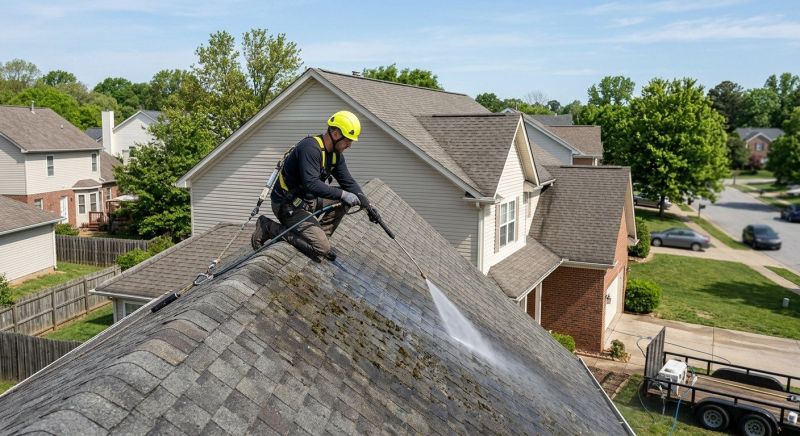
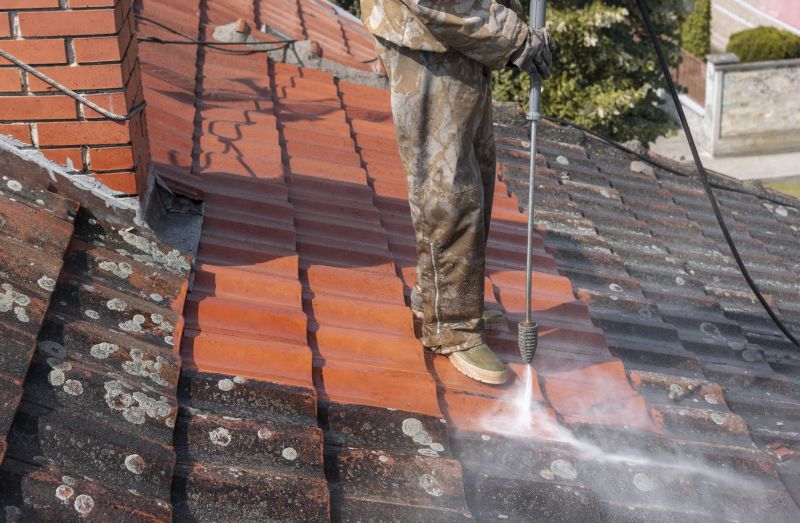
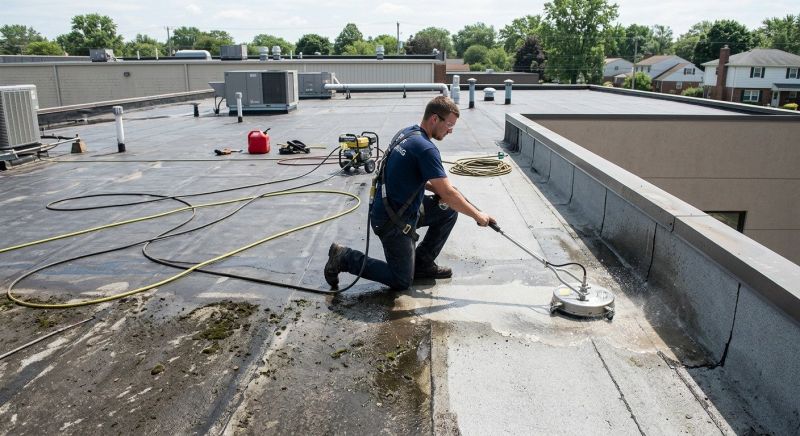
Roof pressure washing services involve the use of high-pressure water to remove dirt, moss, algae, and other buildup from roof surfaces. This cleaning method is suitable for various roofing materials, including asphalt shingles, tile, and metal, helping to restore the roof’s appearance and improve its longevity. Property owners typically request this service to eliminate unsightly stains, prevent damage caused by moss and algae, and maintain the overall curb appeal of the home.
Before requesting roof pressure washing, homeowners should understand the importance of choosing experienced professionals who use appropriate pressure levels to avoid potential damage to roofing materials. It’s also helpful to consider the current condition of the roof, as heavily damaged or fragile shingles may require alternative cleaning methods. Proper preparation and consultation can ensure the cleaning process is effective and safe for the specific type of roof on the property.
Many property owners in Vancouver, WA look into Roof Pressure Washing for repairs, replacements, upgrades, and appearance-related improvements.
Roof Cleaning Benefits
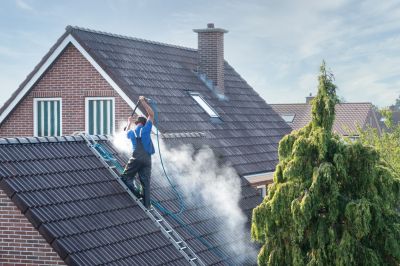
Pressure washing can restore the appearance and extend the lifespan of your roof.
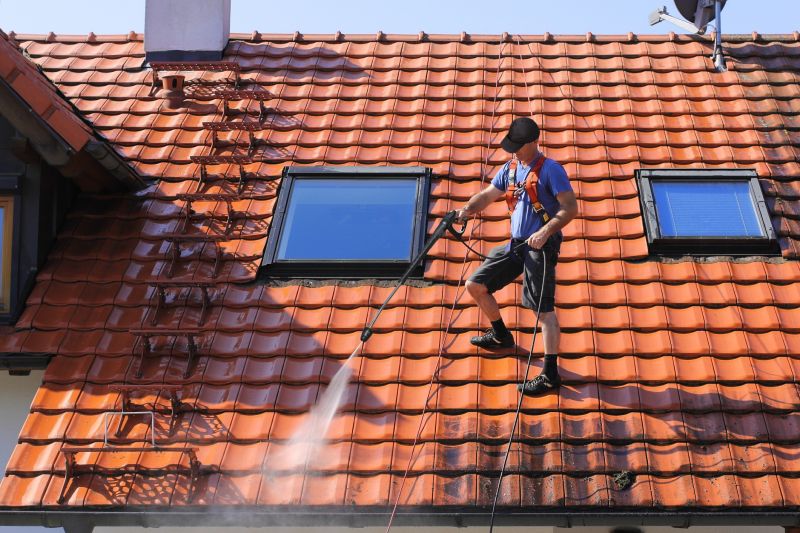
Common Roof Issues
Removing moss, algae, and dirt helps prevent damage and costly repairs.
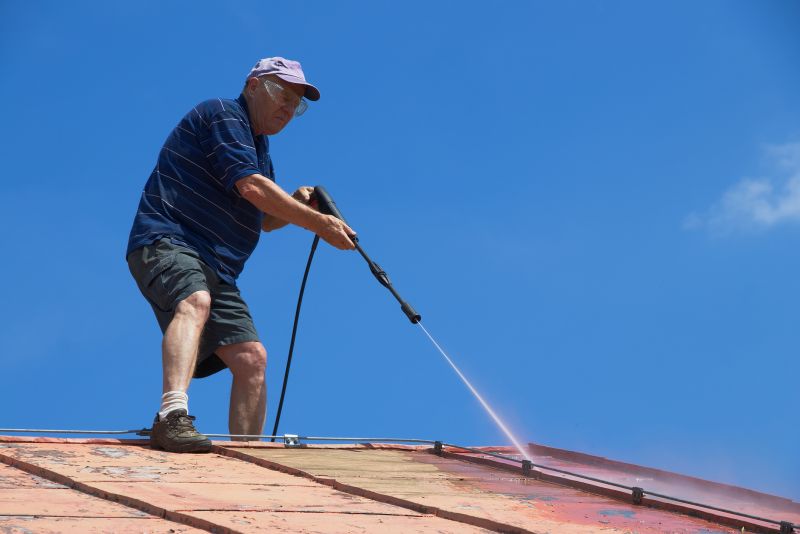
Maintenance Tips
Regular roof pressure washing keeps your home looking fresh and protects your investment.
Roof Pressure Washing in Vancouver, WA
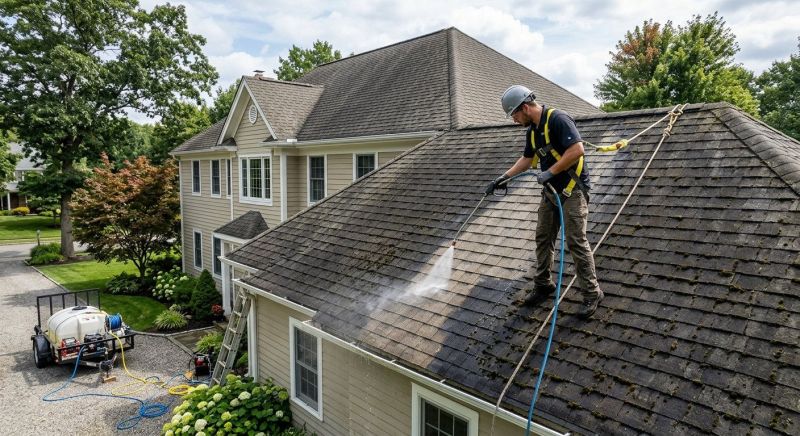
Roof pressure washing services involve the use of high-pressure water to remove dirt, moss, algae, and other buildup from roof surfaces. This cleaning method is suitable for various roofing materials, including asphalt shingles, tile, and metal, helping to restore the roof’s appearance and improve its longevity. Property owners typically request this service to eliminate unsightly stains, prevent damage caused by moss and algae, and maintain the overall curb appeal of the home.
Before requesting roof pressure washing, homeowners should understand the importance of choosing experienced professionals who use appropriate pressure levels to avoid potential damage to roofing materials. It’s also helpful to consider the current condition of the roof, as heavily damaged or fragile shingles may require alternative cleaning methods. Proper preparation and consultation can ensure the cleaning process is effective and safe for the specific type of roof on the property.
Many property owners in Vancouver, WA look into Roof Pressure Washing for repairs, replacements, upgrades, and appearance-related improvements.
Common Roof Pressure Washing Jobs
Roof Pressure Washing - Removes dirt, algae, and moss to improve roof appearance and longevity.
Asphalt Shingle Roofs - Cleans away buildup that can cause shingles to deteriorate prematurely.
Tile Roofs - Safely eliminates debris and stains without damaging the tile surface.
Metal Roofs - Restores the roof’s original shine and prevents corrosion from environmental buildup.
Gutter and Roofline Cleaning - Clears debris from gutters and roof edges to prevent water damage.
Storm Damage Prevention - Maintains roof integrity by removing substances that can lead to weather-related wear.
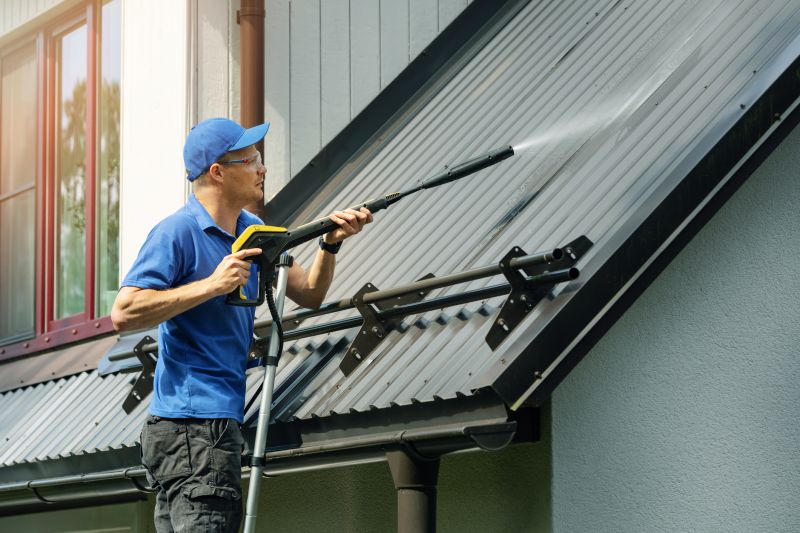
Roof Pressure Washing Questions
What is roof pressure washing? Roof pressure washing uses high-pressure water to remove dirt, moss, algae, and debris from roof surfaces, helping to restore appearance and prevent damage.
Is roof pressure washing safe for my shingles? When performed properly, pressure washing can be safe for asphalt shingles, but it’s important to use appropriate pressure levels to avoid damage.
What types of roofs can be cleaned with pressure washing? Most common roof types, including asphalt, tile, and cedar, can be cleaned with pressure washing, depending on their condition and material.
How often should a roof be pressure washed? Roofs typically benefit from pressure washing every few years to maintain cleanliness and prevent buildup of moss and algae.
Request Roof Pressure Washing in Vancouver, WA
Use the quote form on this page to share the basics of your project and request more information for the type of work you need.